
At first, cheap leads feel like a win.
Low cost per lead. High volume. Reports look great.
But weeks later, something feels off.
Sales aren’t closing.
Revenue isn’t growing.
And everyone starts asking the same question: “Why are we getting so many leads, but no real results?”
This is the hidden cost of cheap leads in digital advertising—and it’s one of the most common mistakes brands and agencies make.
Let’s break it down in a simple way.
What “Cheap Leads” Really Mean
A cheap lead is not bad because of price.
It’s bad when the lead quality is low.
That usually means:
- People who are just curious, not ready to buy
- Users who clicked by accident or for the wrong reason
- Contacts that don’t fit your ideal customer profile
In digital advertising, it’s easy to optimize for volume instead of value. Platforms reward clicks, forms, and actions—but not all actions are equal.

Why Cheap Leads Hurt Your Digital Advertising ROI
At first glance, low-cost leads improve your metrics.
But when you zoom out, they quietly destroy your digital advertising ROI.
Here’s how.
1. Sales Teams Waste Time
Every low-quality lead still needs:
- Calls
- Emails
- Follow-ups
Sales teams spend hours chasing people who will never buy. This slows down real opportunities and lowers team morale.
Time is money—and cheap leads burn both.
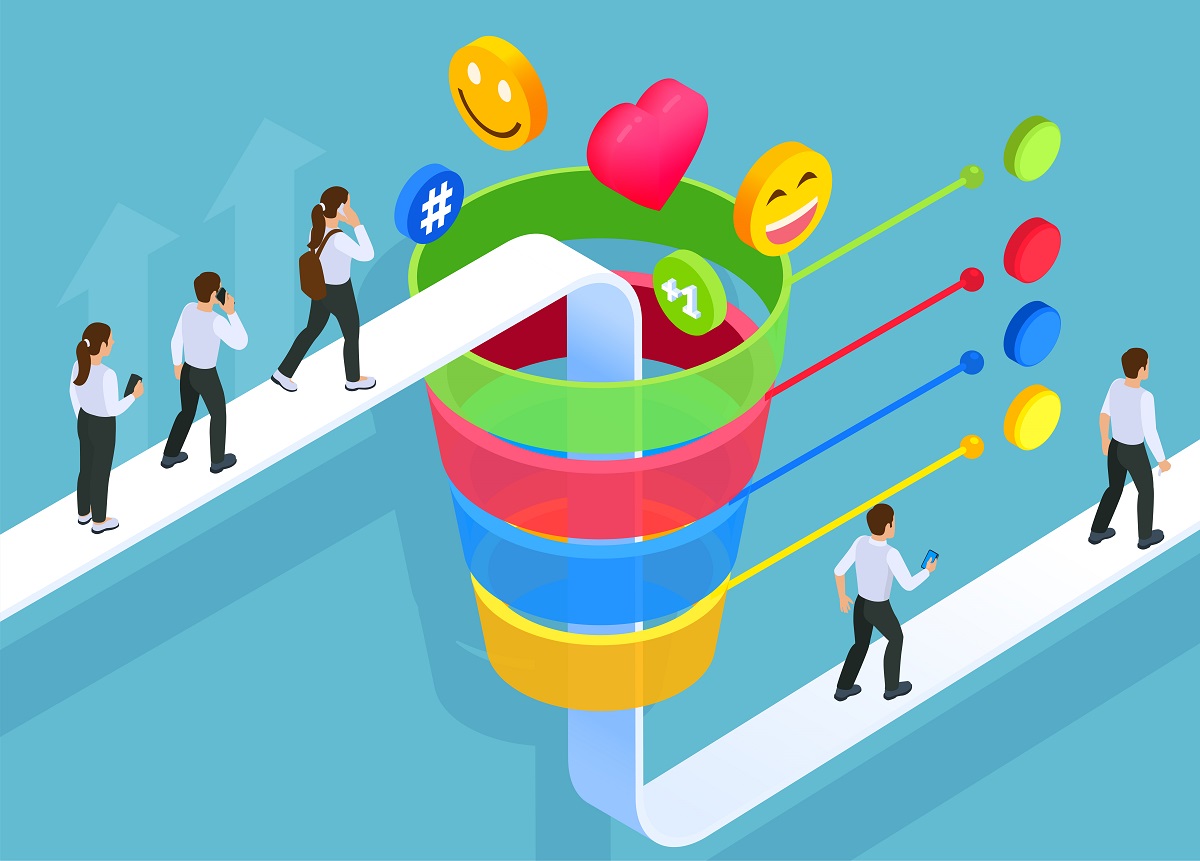
2. Your Funnel Gets Clogged
Marketing funnels are designed to move people step by step:
- Awareness
- Interest
- Decision
Cheap leads often get stuck at the top.
They never move forward.
This creates the illusion of a “full funnel,” when in reality, the bottom is empty. And an empty bottom means no revenue.
3. Data Becomes Misleading
When low-quality leads dominate your campaigns:
- Conversion rates look worse
- Retargeting audiences get polluted
- Optimization signals become inaccurate
Ad platforms learn from user behavior. If the wrong people keep converting, the algorithm keeps finding more of the same.
That’s how bad traffic multiplies.

The Real Cost Goes Beyond Ads
The true cost of cheap leads is not just ad spend.
It also includes:
- Sales hours
- CRM management
- Email automation costs
- Customer support resources
When you add everything up, those “cheap” leads often cost more than qualified ones.
Lead Quality vs Lead Quantity: What Actually Matters
High lead quality means:
- The user understands your offer
- The problem is real and urgent
- The budget and intent exist
A single high-quality lead can be worth more than 100 cheap ones.
The goal of digital advertising should never be “more leads”.
It should be “better leads that turn into revenue.
How Cheap Leads Break Marketing Funnels
Let’s simplify this.
A healthy funnel:
- Fewer people enter
- More people move forward
- Sales can prioritize effectively
A cheap-lead funnel:
- Too many people enter
- Almost no one advances
- Sales loses focus
When funnels break, marketing and sales start blaming each other. But the real problem is usually at the top of the funnel, not the bottom.
Why Low Cost Per Lead Is a Dangerous Metric
Cost per lead is easy to measure.
That’s why everyone loves it.
But it ignores:
- Lead intent
- Sales conversion rate
- Revenue attribution
A higher cost per lead can actually mean:
- Better targeting
- Stronger messaging
- Higher lifetime value
Cheap leads win reports.
Quality leads win businesses.
How to Attract Better Leads (Without Spending Blindly)
You don’t fix lead quality by simply raising budgets.
You fix it by:
- Clarifying who the offer is not for
- Improving ad messaging to filter casual users
- Aligning ads with real funnel stages
- Tracking leads beyond the form fill
When ads, funnels, and sales speak the same language, lead quality improves naturally.
The Long-Term Impact on Brand Trust
There’s another hidden cost most people ignore.
When users feel tricked into filling forms:
- Trust drops
- Brand perception suffers
- Future campaigns perform worse
Short-term lead spikes can damage long-term brand equity.
The Smarter Way to Measure Success
Instead of asking:
- “How many leads did we get?”
Ask:
- “How many turned into real conversations?”
- “How many reached the proposal stage?”
- “How much revenue came from this campaign?”
This mindset shift changes everything.
Final Thought
Cheap leads feel good in the moment.
But over time, they drain energy, money, and growth.
Real performance in digital advertising comes from understanding lead quality, not chasing the lowest cost.
And when brands start thinking this way, they stop optimizing for clicks—and start optimizing for outcomes.
That’s where strategy matters.
That’s where systems matter.
And that’s where teams who understand the full picture quietly outperform the rest.
Some agencies build campaigns.
Others build results, as Cute Digital media.
And the difference is never the price of the lead—it’s the thinking behind it.